
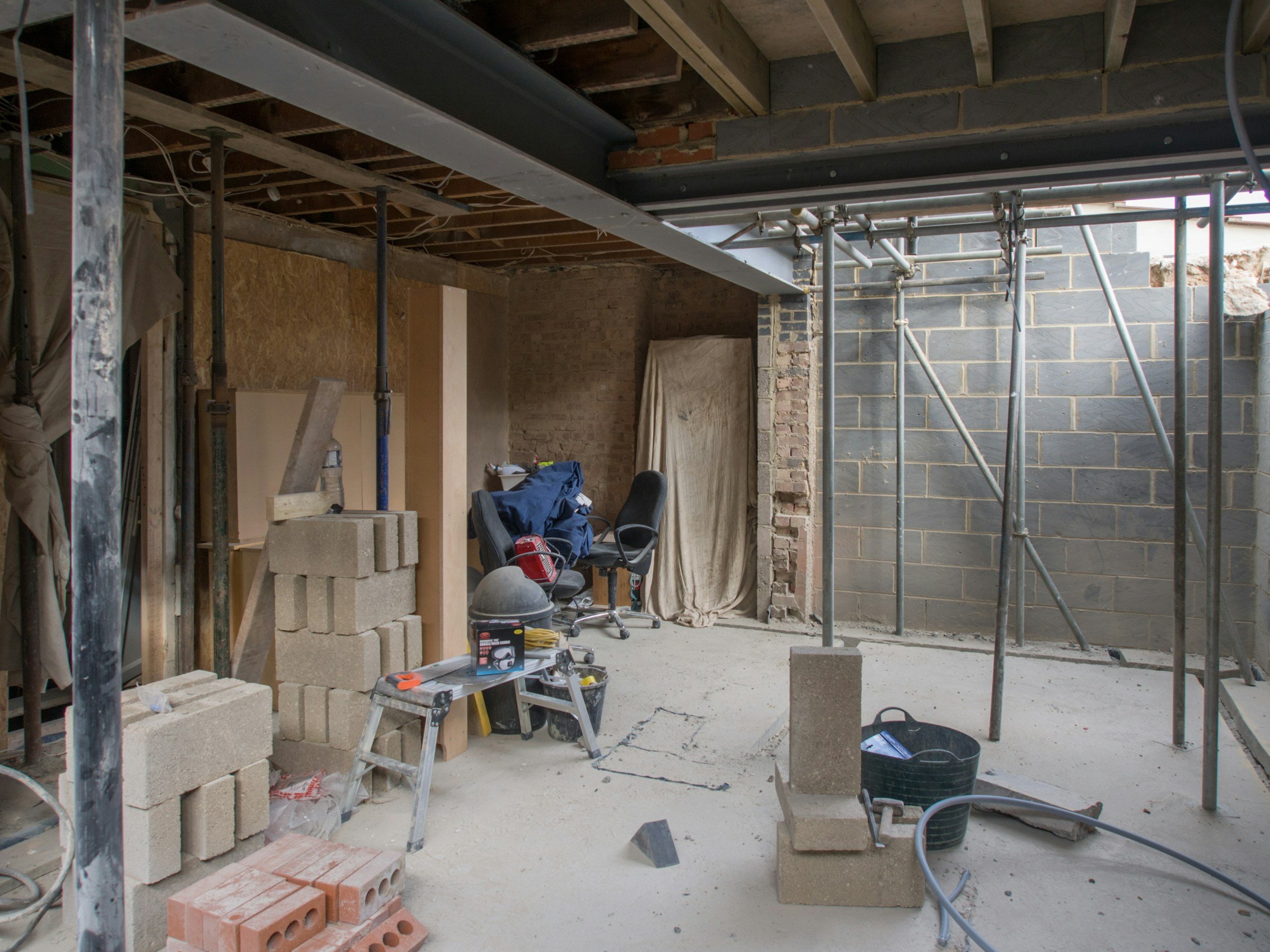
One of the first questions homeowners ask when planning an extension, loft conversion or renovation is:
“Do I need planning permission or Building Regulations approval?”
Although these two processes are often mentioned together, they serve completely different purposes. Understanding the difference before work begins can help you avoid costly delays, redesigns and potential enforcement action.
This guide explains how planning permission and Building Regulations differ, when you need each, and why many projects require both.
What Is Planning Permission?
Planning permission determines whether you are legally allowed to carry out a development.
When assessing an application, your local planning authority considers how the proposal will affect:
- Neighbouring properties
- Privacy and overlooking
- The appearance of the street
- The character of the surrounding area
- Highway safety and parking
- Local and national planning policies
Planning permission focuses on the impact of the development rather than how it will be built.
Projects that often require planning permission include:
- Large rear extensions
- Side extensions beyond Permitted Development limits
- Dormer loft conversions facing the highway
- New dwellings
- Flat conversions
- Development within the Green Belt
- Works affecting listed buildings or conservation areas
What Are Building Regulations?
Building Regulations control how a building is designed and constructed.
They ensure that new building work is safe, energy efficient and suitable for occupation.
Building Control typically assesses:
- Structural stability
- Fire safety
- Thermal insulation
- Ventilation
- Drainage
- Electrical safety
- Accessibility
- Sound insulation where applicable
Unlike planning permission, Building Regulations focus on the technical performance of the building rather than its appearance.
Most construction work requires Building Regulations approval—even where planning permission is not required.
Planning Permission vs Building Regulations: The Key Difference
Planning permission asks: “Can you build it?”
Building Regulations ask: “Can it be built safely and legally?”
They are separate legal processes administered under different legislation.
A project may require:
- Planning permission only
- Building Regulations approval only
- Both approvals
- Neither approval (for certain minor works)
Projects That May Require Planning Permission Only
Examples include:
- Certain changes of use
- Some external alterations
- Raising boundary walls or fences
- Certain planning applications relating to land
If structural work is involved, Building Regulations approval may also become necessary.
Projects That Require Building Regulations Only
Common examples include:
- Internal structural alterations
- Removing load‑bearing walls
- Garage conversions
- Loft conversions carried out under Permitted Development
- Installing new drainage systems
- Replacing windows and external doors
- Significant heating or ventilation upgrades
Projects That Usually Require Both
Typical examples include:
- Double‑storey extensions
- Large side extensions
- Loft conversions with dormers requiring planning permission
- New‑build houses
- Basement extensions
- Self‑contained annexes
- Flat conversions
Obtaining one approval does not automatically satisfy the other.
Does Permitted Development Remove the Need for Building Regulations?
No. A project that qualifies under Permitted Development Rights may avoid the need for planning permission, but it will still normally require Building Regulations approval if construction work is involved.
For example:
- A rear extension built under Permitted Development still requires Building Regulations approval.
- A loft conversion carried out under Permitted Development still requires Building Regulations approval.
- A garage conversion usually requires Building Regulations approval even when planning permission isn’t needed.
If you’re considering a Permitted Development project, see the guide “Permitted Development Rights Explained: What Can You Build Without Planning Permission?” for more detail.
Common Mistakes Homeowners Make
- Assuming Permitted Development means no approvals are required.
- Believing planning permission automatically includes Building Regulations approval.
- Starting work before obtaining Building Control approval.
- Relying solely on contractor advice without confirming legal requirements.
- Failing to obtain a Lawful Development Certificate where appropriate.
These mistakes can lead to delays, redesigns and additional costs.
Why Getting Both Approvals Right Matters
Proceeding without the correct approvals can result in:
- Enforcement action
- Costly alterations
- Delays during construction
- Difficulties when selling your property
- Mortgage and insurance issues
Obtaining the correct approvals from the outset provides certainty and protects your investment.
How Draw & Plan Can Help
Understanding which approvals your project requires can be confusing, particularly where Permitted Development Rights are involved.
At Draw & Plan, we provide clear advice before any drawings are prepared, helping homeowners identify whether they require:
- Planning permission
- Prior Approval
- A Lawful Development Certificate
- Building Regulations approval
- Or a combination of these
Our Planning Drawings service includes feasibility advice, planning applications and Lawful Development Certificate submissions.
Once planning matters have been resolved, our Building Regulations Drawings service provides the detailed technical drawings needed for Building Control approval and construction.
If you’re still unsure whether your project requires planning permission, the guide “Do I Need Planning Permission? Your Complete Guide for England” explains the rules in greater detail.
Ready to discuss your project? Contact us today for a free, no‑obligation quotation.
Disclaimer: This article is for general informational purposes only and does not constitute legal or professional advice. Whether planning permission or Building Regulations approval is required depends on the specific circumstances of each project. Always seek advice from a suitably qualified professional or your local authority before commencing work.