
With rising energy costs, increasing environmental awareness and tighter Building Regulations, investing in an energy‑efficient home has never made more sense. Whether you’re planning an extension, renovating an older property or building a new home, the right sustainable improvements can lower your energy bills, improve comfort and increase your property’s value.
At Draw & Plan, we help homeowners across England design extensions, renovations and new‑build homes that meet modern energy efficiency standards while remaining practical and cost‑effective.
In this guide, we look at the sustainable home improvements that offer the best return on investment for UK homeowners.
Start with a Fabric First Approach
Before investing in technologies such as solar panels or heat pumps, it’s usually best to improve the building itself.
The construction industry refers to this as the Fabric First approach. By improving insulation, reducing draughts and minimising heat loss, you reduce the amount of energy your home needs in the first place. Renewable technologies then become even more effective.
If you’re planning an extension or renovation, it’s also worth ensuring your project complies with the latest Building Regulations Drawings requirements, particularly those relating to Part L (Conservation of Fuel and Power).
1. Improve Your Insulation
Insulation remains one of the most effective investments for reducing energy consumption.
Many UK homes—particularly those built before the 1970s—lose significant amounts of heat through poorly insulated roofs, walls and floors.
The most effective improvements include:
- Loft insulation
- Cavity wall insulation
- Solid wall insulation
- Floor insulation
Loft insulation is generally the quickest and most affordable upgrade, while cavity wall insulation can save suitable properties several hundred pounds each year on heating costs.
Solid wall insulation is considerably more expensive but can transform the energy performance of older homes.
Typical payback
- Loft insulation: 2–3 years
- Cavity wall insulation: 3–5 years
- Solid wall insulation: 10 years or more
Eligible homeowners may qualify for support through the Government’s Energy Company Obligation (ECO4) scheme.
2. Reduce Draughts Without Reducing Ventilation
Even small air leaks around doors, windows, floorboards and chimneys can significantly increase heating bills.
Simple improvements include:
- Draught strips
- Chimney balloons
- Letterbox brushes
- Floorboard sealing
- Door seals
If your home is being extensively renovated or built to a high level of airtightness, consider installing Mechanical Ventilation with Heat Recovery (MVHR). These systems provide fresh filtered air while recovering much of the heat that would otherwise be lost.
3. Upgrade Your Windows
Replacing old or inefficient glazing can improve comfort, reduce condensation and lower heat loss.
Modern double glazing offers excellent performance for most homes, while triple glazing may be beneficial in exposed locations or highly insulated new‑build properties.
If your property lies within a conservation area or is listed, secondary glazing may provide a suitable alternative while preserving its character.
When designing extensions or renovations, carefully selected windows should form part of your overall House Extensions strategy rather than being viewed as a standalone upgrade.
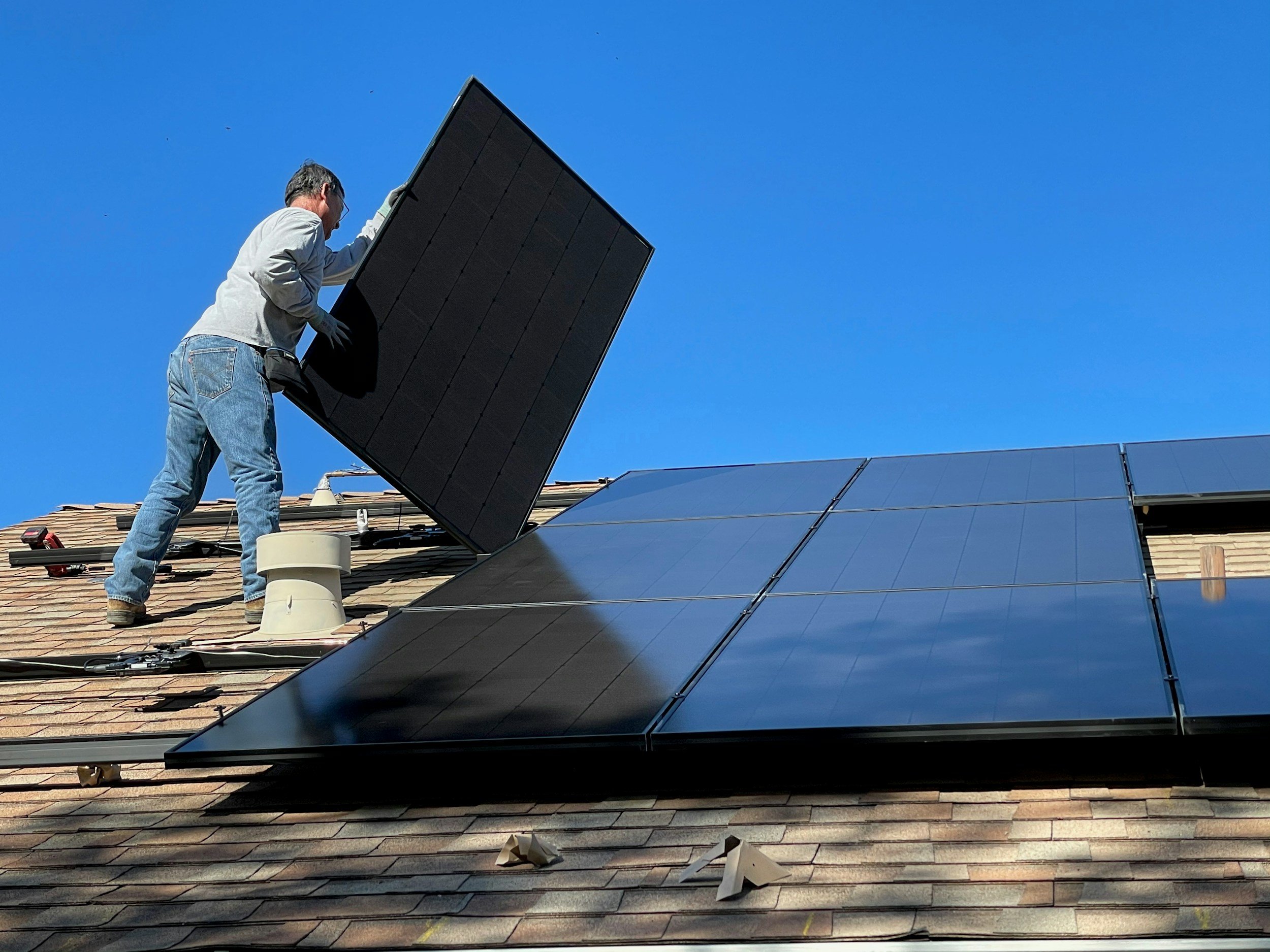
4. Install Solar Panels
Despite the UK’s climate, solar photovoltaic (PV) panels generate electricity throughout the year, particularly in southern England.
Electricity produced during the day can be used within the home, reducing purchases from the grid.
Excess electricity may also be exported through Ofgem’s Smart Export Guarantee (SEG).
Typical installation costs for a domestic system are around £4,000–£6,000, with payback often achieved within 8–12 years depending on electricity use.
5. Consider an Air Source Heat Pump
Air source heat pumps provide low‑carbon heating by extracting heat from the outside air.
They perform best in:
- Well‑insulated homes
- New‑build properties
- Homes with underfloor heating or larger radiators
- Properties without mains gas
The Government’s Boiler Upgrade Scheme provides grants towards installation for eligible properties.
While heat pumps don’t always reduce running costs compared with an efficient gas boiler, they can significantly reduce carbon emissions and future‑proof your home.
6. Install Smart Heating Controls
Heating only the rooms you need can substantially reduce energy use.
Popular upgrades include:
- Smart thermostats
- Smart radiator valves
- Smart energy monitors
These systems learn your daily routine, optimise heating schedules and allow different rooms to be controlled independently.
Many households achieve noticeable reductions in heating bills with relatively modest installation costs.
7. Replace Older Lighting with LEDs
LED lighting is one of the simplest and quickest energy‑saving improvements available.
Compared with halogen bulbs, LEDs:
- use up to 90 % less electricity
- last significantly longer
- require minimal maintenance
For most households, the investment pays for itself within the first year.
8. Install Water‑Efficient Fixtures
Reducing hot water consumption saves both water and energy.
Simple improvements include:
- Aerated showerheads
- Dual‑flush toilets
- Water‑saving taps
- Efficient dishwashers and washing machines
Because heating water accounts for a significant proportion of household energy use, these relatively inexpensive improvements can deliver worthwhile savings.
9. Choose Sustainable Building Materials
If you’re extending or renovating your home, consider environmentally responsible materials such as:
- FSC‑certified timber
- Reclaimed bricks
- Recycled steel
- Lime plaster
- Low‑VOC paints
These materials reduce environmental impact while often improving indoor air quality and long‑term durability.
When preparing Planning Drawings, material selection can also influence how a proposal is viewed by the local planning authority, particularly within conservation areas.
10. Consider a Green Roof
Green roofs are becoming increasingly popular on flat roof extensions.
Benefits include:
- Additional insulation
- Better rainwater management
- Increased biodiversity
- Improved summer cooling
- Longer roof membrane life
Although the financial payback is longer than insulation improvements, green roofs can add significant environmental and visual benefits.
Which Improvements Offer the Best Return?
For most homeowners, the best order of investment is:
- Loft insulation
- Cavity wall insulation
- Draught‑proofing
- LED lighting
- Smart heating controls
- Water‑saving fixtures
- Solar panels
- Air source heat pumps
- Triple glazing (where appropriate)
- Green roofs
Improving the building fabric first will almost always provide a better return than investing immediately in renewable technologies.
Frequently Asked Questions
Which home improvement saves the most energy?
Improving insulation usually delivers the greatest reduction in heat loss and the fastest financial return.
Are solar panels worth installing in the UK?
Yes. Modern solar panels generate electricity throughout the year and can significantly reduce household electricity bills.
Are air source heat pumps suitable for every home?
No. They perform best in well‑insulated properties and should be considered as part of an overall energy efficiency strategy.
Do sustainable home improvements increase property value?
Increasingly they do. Buyers are placing greater emphasis on energy efficiency, EPC ratings and lower running costs.
Are grants available?
Depending on eligibility, homeowners may benefit from the Government’s Energy Company Obligation (ECO4) and the Boiler Upgrade Scheme.
Planning an Energy‑Efficient Home?
Whether you’re extending your property, carrying out a major renovation or building a new home, sustainable design should be considered from the very beginning.
At Draw & Plan, we prepare professional Planning Drawings and Building Regulations Drawings that incorporate practical energy‑efficient design while ensuring compliance with current planning policy and Building Regulations.
If you’re ready to improve your home, contact Draw & Plan today for a free, no‑obligation consultation.
Useful Resources
- The Energy Saving Trust provides practical advice on insulation, heating systems and renewable technologies.
- The Government’s Boiler Upgrade Scheme offers information about grants for heat pumps.
- Ofgem’s Smart Export Guarantee (SEG) explains how homeowners can receive payments for exporting surplus electricity.
Disclaimer: This article is for general informational purposes only and does not constitute legal or professional advice. Every property is different, and the most appropriate energy‑saving measures will depend on its construction, condition and location. Professional advice should always be sought before undertaking significant building work or installing renewable technologies.