
One of the most common questions homeowners ask before starting a building project is:
“Do I need planning permission or Building Regulations approval?”
Although these two approvals are often mentioned together, they serve completely different purposes. Understanding the difference can save you time, money and the frustration of costly delays or enforcement action.
Whether you’re planning a home extension, loft conversion, garage conversion or new build, this guide explains when you need planning permission, Building Regulations approval—or both.
What’s the Difference Between Planning Permission and Building Regulations?
Planning permission asks: “Can you build it?”
Building Regulations ask: “Can it be built safely and legally?”
Planning permission considers how your proposal affects the surrounding area, while Building Regulations focus on how the building is designed and constructed. They are separate legal processes administered under different legislation.
What Does Planning Permission Cover?
Planning permission controls the impact your development will have on its surroundings. Your local planning authority will typically assess:
- The appearance of the proposal
- Its size and scale
- Impact on neighbouring properties
- Privacy and overlooking
- Daylight and sunlight
- Parking and highway safety
- Local planning policies
- Heritage and conservation issues
Planning permission is about whether the development is acceptable in principle—not how it will be built.
When Is Planning Permission Required?
Planning permission is commonly required for:
- Large rear extensions beyond Permitted Development limits
- Side extensions that exceed Permitted Development allowances
- Loft conversions with front‑facing dormers
- New houses
- Flat conversions
- Basement extensions in many areas
- Developments within conservation areas where restrictions apply
- Development within the Green Belt
Even relatively modest projects may require planning permission if Permitted Development Rights have been removed. If you’re unsure whether your project qualifies as Permitted Development, see the guide Permitted Development Rights Explained: What Can You Build Without Planning Permission?.
What Do Building Regulations Cover?
Building Regulations ensure that construction work is safe, energy‑efficient and fit for occupation. Building Control typically assesses compliance with:
- Structural stability
- Fire safety
- Thermal insulation
- Ventilation
- Drainage
- Electrical safety
- Accessibility
- Sound insulation where applicable
Unlike planning permission, Building Regulations are concerned with how the building performs, not how it looks.
When Are Building Regulations Required?
Most building work requires Building Regulations approval. Typical examples include:
- Home extensions
- Loft conversions
- Garage conversions
- Structural alterations
- Removing load‑bearing walls
- New drainage systems
- Roof replacements
- Heating system upgrades
- Electrical installations
- Insulation improvements
Even where planning permission is not required, Building Regulations approval usually still is.
Projects That Require Both
Many residential projects require both planning permission and Building Regulations approval, such as:
- Double‑storey extensions
- Large side extensions
- New‑build houses
- Basement extensions
- Barn conversions
- Self‑contained annexes
- Flat conversions
Obtaining one approval does not automatically satisfy the other.
Does Permitted Development Remove the Need for Building Regulations?
No. A project may qualify under Permitted Development Rights and therefore not require planning permission, but it will still normally require Building Regulations approval if construction work is involved. For example:
- A rear extension built under Permitted Development still requires Building Regulations approval.
- A loft conversion carried out under Permitted Development still requires Building Regulations approval.
- A garage conversion almost always requires Building Regulations approval.
What Is a Lawful Development Certificate?
A Lawful Development Certificate (LDC) confirms that planning permission is not required because the proposal complies with Permitted Development legislation. An LDC:
- Is issued by the local planning authority
- Confirms the proposal is lawful
- Can assist when selling your property
- Does not replace Building Regulations approval
Common Homeowner Mistakes
- Assuming Permitted Development means no approvals are required.
- Believing planning permission automatically includes Building Regulations approval.
- Confusing a Lawful Development Certificate with Building Regulations approval.
- Starting construction before approvals have been obtained.
- Relying solely on contractor advice without checking legal requirements.
Most of these problems can be avoided by obtaining professional advice before work begins.
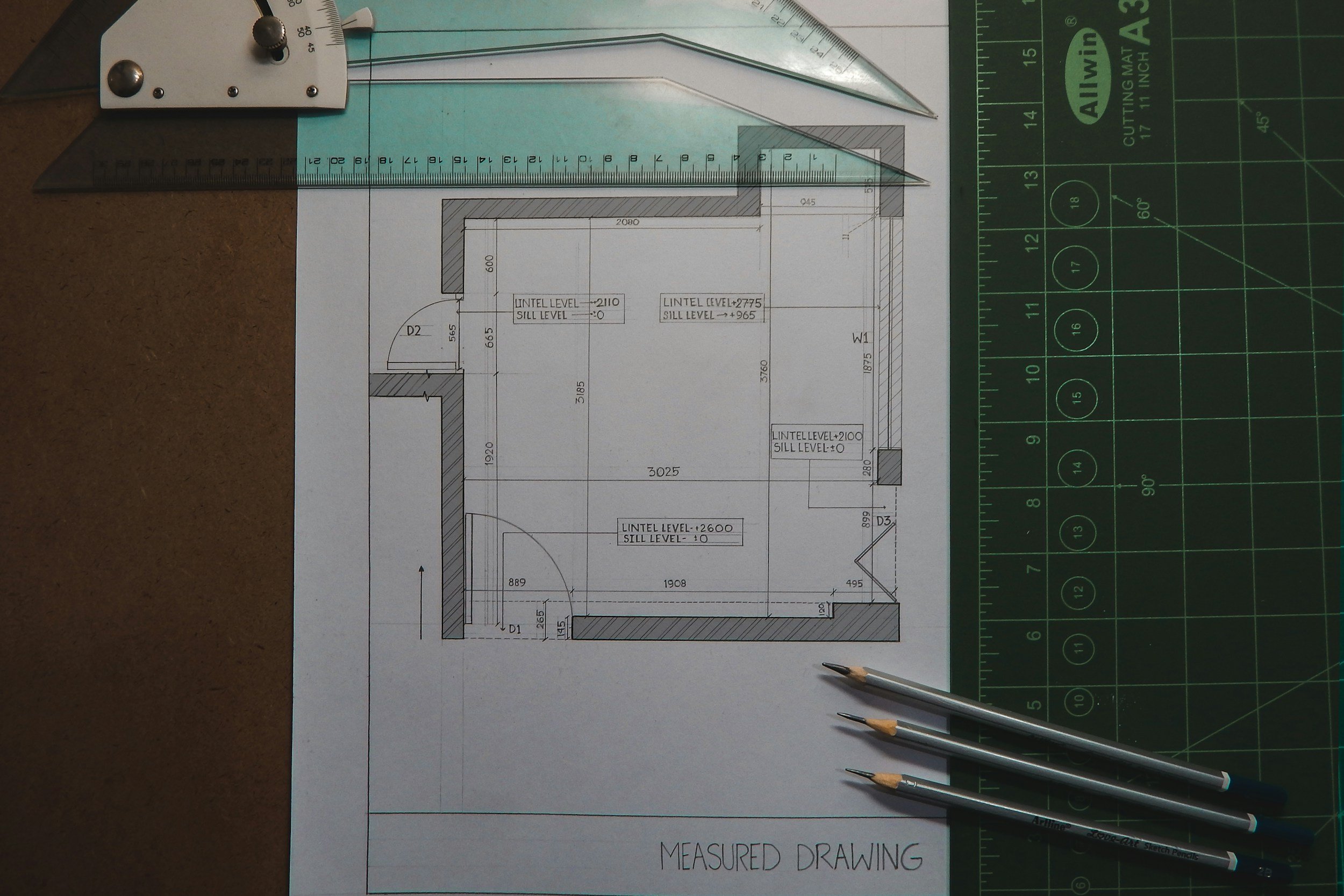
Why Professional Drawings Matter
Good drawings help ensure both approvals progress smoothly.
Planning drawings demonstrate: appearance, scale, materials, relationship to neighbouring properties.
Building Regulations drawings provide detailed technical information covering: structure, insulation, drainage, fire safety, ventilation, construction details.
Preparing both sets of drawings properly helps avoid delays, redesigns and unexpected construction costs.
How Draw & Plan Can Help
At Draw & Plan, we guide homeowners through every stage of the approval process.
- Planning Drawings – advice on Permitted Development Rights, Lawful Development Certificates and full planning applications.
- Building Regulations Drawings – comprehensive technical drawings needed for Building Control approval and construction.
- For a deeper look at what Building Regulations drawings should include, see What Should Building Regulations Drawings Include? A Complete Homeowner’s Guide.
Ready to discuss your project? Contact us today for a free, no‑obligation quotation.
Disclaimer: This article is for general informational purposes only and does not constitute legal or professional advice. Whether planning permission or Building Regulations approval is required depends on the specific circumstances of each project. Always seek advice from a suitably qualified professional or your local authority before commencing work.